5G vs Previous Generations
1. what is 5G vs Previous Generations?
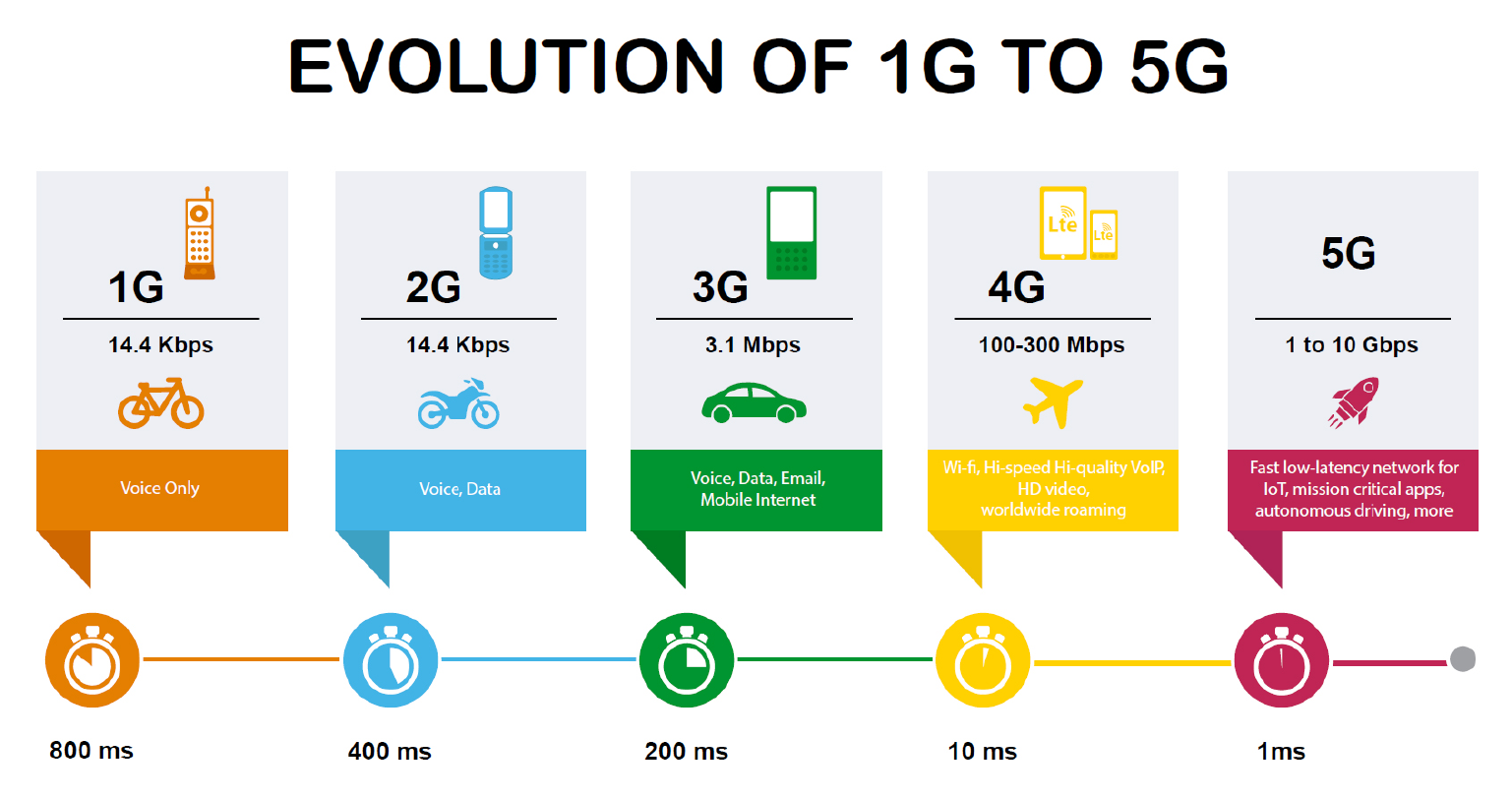
5G vs Previous Generationsefers to the comparison between the latest mobile network technology, 5G, and its predecessors, 4G, 3G, and 2G. Each generation of mobile networks has brought significant improvements in speed, latency, capacity, and the ability to support new use cases, and 5G represents the next major leap in connectivity, designed to address the growing demands of data and the connected world. While earlier generations of mobile networks were primarily designed for voice and basic data, 5G is built to support not only faster speeds but also more connected devices and advanced technologies like Internet of Things (IoT), autonomous vehicles, and smart cities.
Speed and Latency: The most noticeable difference between 5G and previous generations is its incredible speed and low latency. 5G offers download speeds that can exceed 10 Gbps (gigabits per second), which is up to 100 times faster than 4G. 4G typically offers speeds of up to 1 Gbps, while 3G offers speeds in the range of 100 Mbps (megabits per second). This dramatic increase in speed allows 5G to support high-bandwidth applications like 4K/8K video streaming, virtual reality (VR), and augmented reality (AR) with minimal buffering or lag. Additionally, 5G's latency can be as low as 1 millisecond, compared to 4G's latency of 30-50 milliseconds, enabling real-time communication and faster responses in applications like autonomous vehicles and remote surgery..
Capacity and Connectivity: 5G also supports a significantly higher capacity compared to previous generations. 5G networks can handle up to 1 million devices per square kilometer, a drastic improvement over 4G, which supports only around 100,000 devices per square kilometer. This makes 5G ideal for the Internet of Things (IoT), where billions of connected devices—such as smart home appliances, wearable devices, and industrial sensors—need to operate simultaneously without network congestion. 5G uses advanced technologies like millimeter-wave bands, small cell networks, and beamforming to deliver faster speeds and greater capacity, even in crowded areas like stadiums, cities, and airports. In contrast, previous generations relied on larger cell towers with broader coverage but less capacity.
2.Differences Between 4G & 5G
Differences Between 4G & 5G
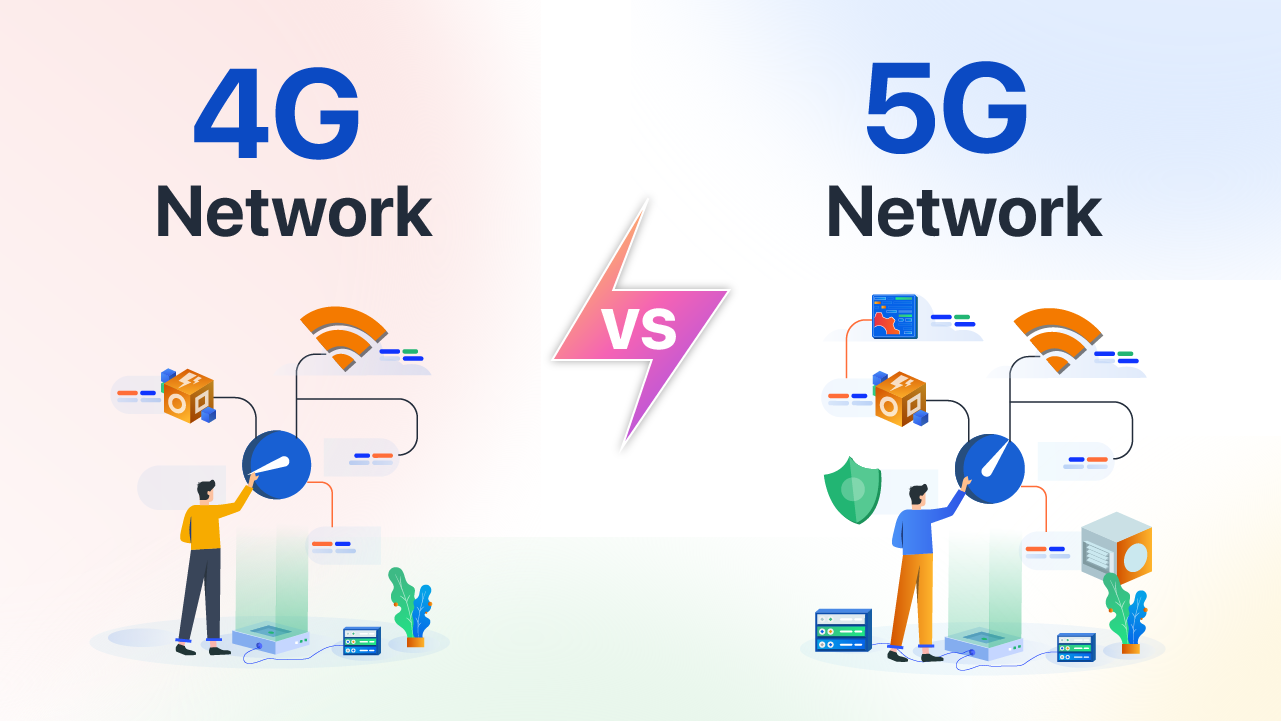
The most significant difference between 4G and 5G is their speed and latency. 4G networks offer download speeds up to 1 Gbps, which was a huge leap over 3G and enabled faster internet browsing, HD video streaming, and smooth video calls. However, 5G surpasses 4G by offering download speeds of up to 10 Gbps, allowing users to download entire movies or large files in just a few seconds. In addition to speed, 5G drastically reduces latency, with response times as low as 1 millisecond, compared to 4G’s latency of 30-50 milliseconds. This reduction in latency is crucial for real-time applications like autonomous vehicles, remote surgeries, and online gaming, where every millisecond counts for safety and precision. 5G’s low latency will also enable smoother experiences for technologies such as virtual reality (VR) and augmented reality (AR), creating immersive experiences with minimal lag.
Capacity and Connectivity: 5G is designed to handle far more devices than 4G, making it a perfect fit for the growing Internet of Things (IoT). While 4G networks support around 100,000 devices per square kilometer, 5G can handle up to 1 million devices per square kilometer, a massive improvement that is needed as the number of connected devices skyrockets. This means that 5G can easily support the increasing number of smart devices, sensors, and gadgets in densely populated areas like stadiums, cities, and factories. Additionally, 5G’s enhanced capacity allows for much more stable and efficient communication in crowded environments, which 4G struggles with. The ability to manage more devices simultaneously without congestion makes 5G the backbone of smart cities, autonomous transportation systems, and industrial IoT applications.
Applications and Industry Impact: 4G has been instrumental in transforming mobile internet experiences, enabling the development of mobile applications, HD video streaming, and social media. It was also crucial for the rise of smartphones and the overall mobile-first era. However, 5G opens up entirely new possibilities, particularly for industries that require high-speed, low-latency, and massive connectivity. In sectors such as healthcare, 5G facilitates remote surgeries, telemedicine, and the integration of advanced medical devices for real-time monitoring. In transportation, it enables autonomous vehicles to communicate with each other and with infrastructure in real-time. 5G will also play a key role in the growth of smart cities, factory automation, and industrial robotics, where large numbers of devices must work in coordination with minimal lag. While 4G has supported the shift to mobile-first internet, 5G will be the catalyst for the next wave of innovations across healthcare, education, entertainment, and many other sectors, creating a world where virtually everything is connected in real-time.
3.5G Speed & Latency
5G Speed & Latency
One of the most significant advancements that 5G brings over previous generations is its incredible speed. 5G networks are designed to deliver download speeds that can reach up to 10 Gbps (gigabits per second). This is a huge leap from 4G, which offers maximum speeds of 1 Gbps under ideal conditions. With 5G, users can download large files, stream ultra-high-definition videos (like 4K and 8K), and transfer data at speeds that were previously unimaginable. For instance, a high-definition movie that could take several minutes to download on 4G can be downloaded in just seconds on 5G, making it a game-changer for applications requiring high bandwidth, such as virtual reality (VR), augmented reality (AR), and cloud gaming.
5G Latency: Another critical advantage of 5G is its significantly lower latency, or the time it takes for data to travel between devices. 4G networks have a latency of around 30-50 milliseconds, which, while acceptable for most applications, can cause delays in real-time interactions. 5G, on the other hand, reduces latency to as low as 1 millisecond, making it ideal for applications that require near-instantaneous responses, such as autonomous vehicles, remote surgery, and real-time gaming. The ultra-low latency of 5G enables seamless interactions and more responsive experiences, especially in mission-critical scenarios, where every millisecond of delay can have significant consequences. This reduction in latency is crucial for the future of smart cities, connected vehicles, and industrial automation, where real-time data processing and communication are vital.
Impact on Real-Time Applications: The combination of high speed and low latency in 5G allows for transformative new applications and services that were previously impractical. For example, 5G will enable the widespread use of virtual reality (VR) and augmented reality (AR) in ways that 4G simply couldn't support due to latency and bandwidth limitations. In healthcare, 5G will facilitate remote surgeries with real-time video and haptic feedback, enabling doctors to perform complex operations from miles away. In the field of transportation, 5G’s low latency will allow for instantaneous communication between autonomous vehicles and infrastructure, leading to safer and more efficient roads. Overall, 5G's speed and latency improvements will unlock a range of new possibilities that can revolutionize industries such as manufacturing, entertainment, healthcare, and smart cities, marking a significant leap in the way we connect and interact with technology.
5G Speed & Latency
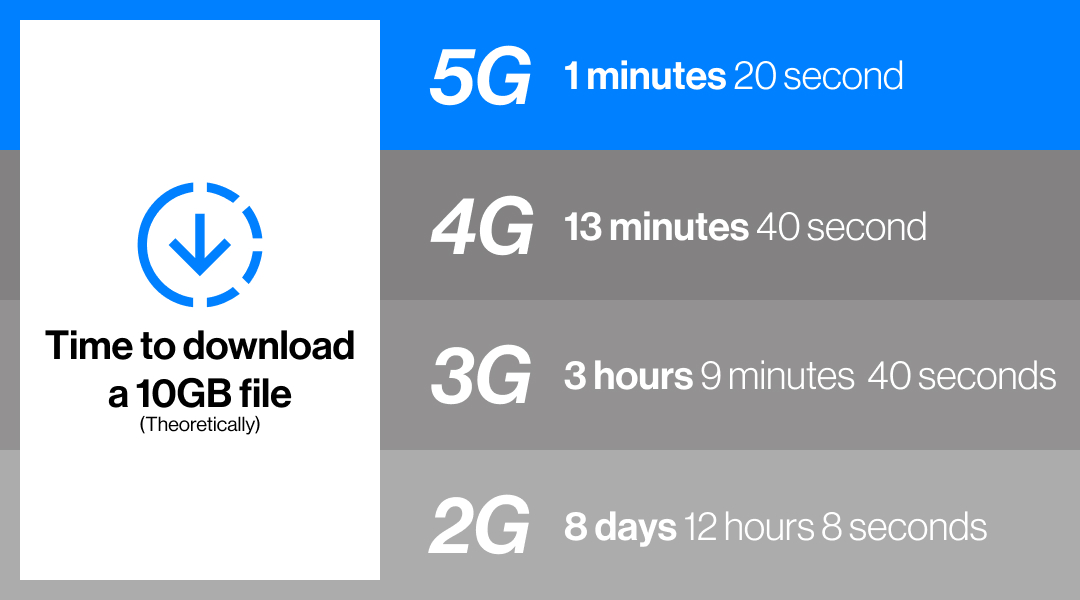
One of the most significant advancements that 5G brings over previous generations is its incredible speed. 5G networks are designed to deliver download speeds that can reach up to 10 Gbps (gigabits per second). This is a huge leap from 4G, which offers maximum speeds of 1 Gbps under ideal conditions. With 5G, users can download large files, stream ultra-high-definition videos (like 4K and 8K), and transfer data at speeds that were previously unimaginable. For instance, a high-definition movie that could take several minutes to download on 4G can be downloaded in just seconds on 5G, making it a game-changer for applications requiring high bandwidth, such as virtual reality (VR), augmented reality (AR), and cloud gaming.
5G Latency: Another critical advantage of 5G is its significantly lower latency, or the time it takes for data to travel between devices. 4G networks have a latency of around 30-50 milliseconds, which, while acceptable for most applications, can cause delays in real-time interactions. 5G, on the other hand, reduces latency to as low as 1 millisecond, making it ideal for applications that require near-instantaneous responses, such as autonomous vehicles, remote surgery, and real-time gaming. The ultra-low latency of 5G enables seamless interactions and more responsive experiences, especially in mission-critical scenarios, where every millisecond of delay can have significant consequences. This reduction in latency is crucial for the future of smart cities, connected vehicles, and industrial automation, where real-time data processing and communication are vital.
Impact on Real-Time Applications: The combination of high speed and low latency in 5G allows for transformative new applications and services that were previously impractical. For example, 5G will enable the widespread use of virtual reality (VR) and augmented reality (AR) in ways that 4G simply couldn't support due to latency and bandwidth limitations. In healthcare, 5G will facilitate remote surgeries with real-time video and haptic feedback, enabling doctors to perform complex operations from miles away. In the field of transportation, 5G’s low latency will allow for instantaneous communication between autonomous vehicles and infrastructure, leading to safer and more efficient roads. Overall, 5G's speed and latency improvements will unlock a range of new possibilities that can revolutionize industries such as manufacturing, entertainment, healthcare, and smart cities, marking a significant leap in the way we connect and interact with technology.
4.5G Frequency Bands
5G Frequency Bands
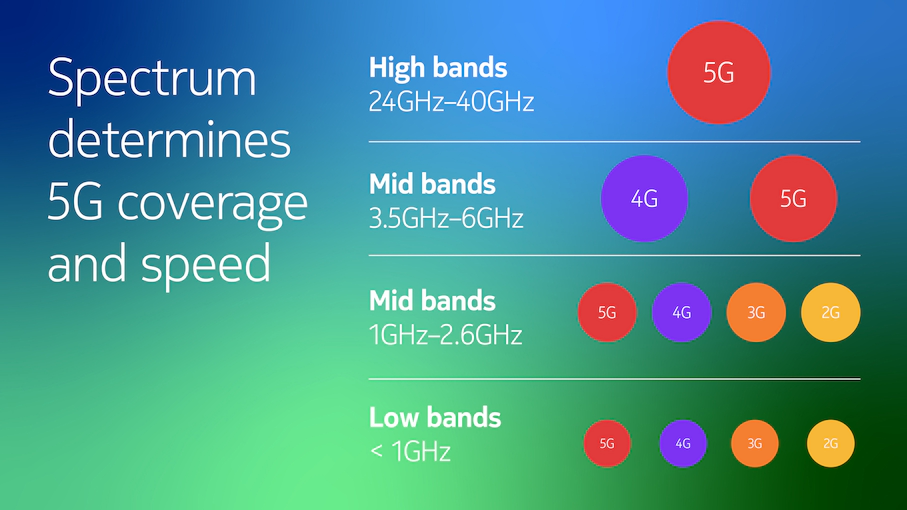
The 5G network operates across a variety of frequency bands, each offering different advantages in terms of coverage, speed, and latency. These frequency bands can be categorized into low-band, mid-band, and high-band spectrums, also known as sub-6 GHz, millimeter-wave (mmWave), and sub-1 GHz, respectively. Each of these bands is designed to meet specific requirements of 5G networks and support the diverse range of applications that 5G will power.
Low-Band Spectrum (Sub-1 GHz): The low-band spectrum is also referred to as Sub-1 GHz or Sub-6 GHz and typically includes frequencies below 1 GHz. This spectrum is commonly used for providing broader coverage and better penetration through physical obstructions like buildings. Low-band 5G offers better range and coverage compared to higher frequency bands, but the trade-off is that it provides lower speeds and higher latency. This makes it suitable for general 5G deployment in rural areas and places where wide coverage is needed, like suburban and rural environments. It is also often used for the initial rollouts of 5G networks due to its ability to cover large areas.
Mid-Band Spectrum (Sub-6 GHz): The mid-band spectrum is often called the "sweet spot" for 5G, offering a balance between coverage and speed. Operating in frequencies between 1 GHz and 6 GHz, mid-band provides faster speeds and lower latency compared to the low-band spectrum while still maintaining decent coverage. This spectrum is ideal for urban and suburban areas, where a balance of speed and coverage is needed to handle high-density networks and demanding applications like cloud gaming, video streaming, and IoT connectivity. Mid-band 5G can provide speeds of up to 1 Gbps or more, making it suitable for most general-purpose 5G applications.
5.Evolution from LTE to 5G
Evolution from LTE to 5G
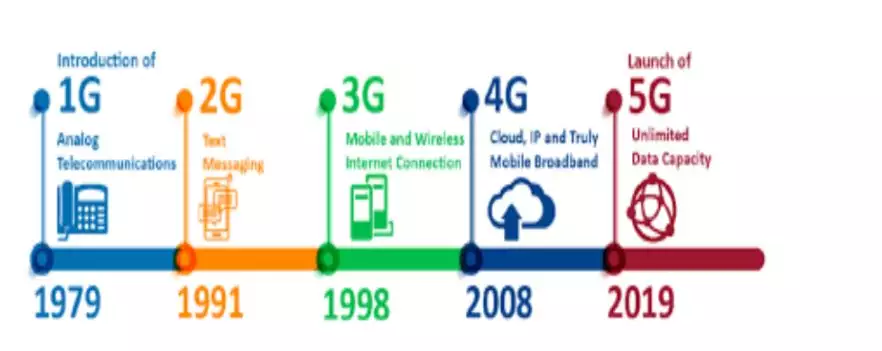
The transition from LTE (Long-Term Evolution) to 5G marks a significant step in the evolution of mobile communication technologies. LTE, launched in 2009, brought 4G capabilities with faster speeds, reduced latency, and enhanced user experiences compared to previous 3G networks. It was designed to meet the increasing demand for mobile data, supporting the growing needs of consumers for better video streaming, web browsing, and social media access. However, as the number of connected devices continued to grow, and technologies like IoT (Internet of Things), autonomous vehicles, and augmented reality (AR) gained momentum, LTE began to show limitations in speed, latency, and capacity, particularly in high-density areas. This prompted the development of 5G, the next-generation wireless technology designed to address these challenges and enable new possibilities for connectivity.
TKey Differences Between LTE and 5G: While LTE provides download speeds of up to 1 Gbps under ideal conditions, 5G is designed to offer speeds of up to 10 Gbps, allowing for vastly improved data transfer rates, enhanced bandwidth, and ultra-low latency of as low as 1 millisecond. This leap in performance supports the growing demands of modern technologies such as real-time gaming, cloud-based applications, and autonomous systems that require high-speed, low-latency connections. Another major difference is the spectral efficiency. 5G uses a wider range of frequencies, including low, mid, and high bands (mmWave), offering greater capacity and improved service even in highly congested areas. In contrast, LTE operates primarily in the mid and low-frequency bands, limiting its ability to handle extremely high data demands.
about transformative applications. While LTE paved the way for more mobile internet access and improved multimedia experiences, 5G introduces a host of new capabilities. 5G supports massive IoT (Internet of Things) deployments, enabling smarter cities, smarter homes, and connected devices that operate more efficiently and autonomously. It will also play a critical role in autonomous driving, telemedicine, virtual reality (VR), and augmented reality (AR), which require ultra-fast data transfer and minimal latency. Additionally, 5G's network slicing allows carriers to create customized networks that can meet specific requirements for different industries, such as manufacturing or healthcare. The impact of 5G will be far-reaching, with applications in sectors such as healthcare, transportation, entertainment, and smart manufacturing—transforming the way we live, work, and interact with the world around us.
6.5G vs Wi-Fi 6
5G vs Wi-Fi 6
a 5G and Wi-Fi 6 (also known as 802.11ax) are both next-generation wireless technologies designed to enhance internet connectivity, but they cater to different use cases and environments. 5G is a mobile network technology that operates over cellular towers and provides connectivity over wide areas, including entire cities and regions. It is designed for global coverage, enabling high-speed, low-latency connectivity for mobile devices, IoT devices, autonomous vehicles, and more. On the other hand, Wi-Fi 6 is the latest standard for local wireless networks, typically used in homes, offices, and campuses. It operates over short-range radio frequencies and provides a more efficient, faster, and reliable connection within a limited area.
Speed, Latency, and Coverage: When comparing 5G and Wi-Fi 6, 5G offers much higher speeds, with peak download speeds reaching up to 10 Gbps, far surpassing the 9.6 Gbps offered by Wi-Fi 6. However, Wi-Fi 6 offers better performance in dense environments like offices, homes, or public places, especially in high-traffic areas with many connected devices. Wi-Fi 6 is specifically optimized to handle multiple devices simultaneously without sacrificing speed, thanks to features like OFDMA (Orthogonal Frequency Division Multiple Access) and MU-MIMO (Multi-User Multiple Input Multiple Output). 5G provides lower latency than previous cellular technologies, with sub-1ms latency in ideal conditions, making it suitable for real-time applications like gaming and autonomous driving. Wi-Fi 6 also improves latency but within a local network, offering faster responses for tasks like streaming and browsing.
operators and can provide coverage across entire cities or rural areas. It is ideal for outdoor use, mobile connectivity, and large-scale applications such as smart cities, autonomous vehicles, and industrial IoT. Wi-Fi 6, on the other hand, operates in private local area networks (LANs), where its use is confined to specific indoor locations like homes, offices, and schools. Wi-Fi 6 excels in environments with a high density of connected devices (e.g., crowded offices, stadiums, or smart homes) by improving connection reliability and handling large amounts of traffic effectively. Wi-Fi 6 is also more cost-effective for private users, as it doesn't require cellular data plans.

7.Edge Computing & 5G
Edge Computing & 5G
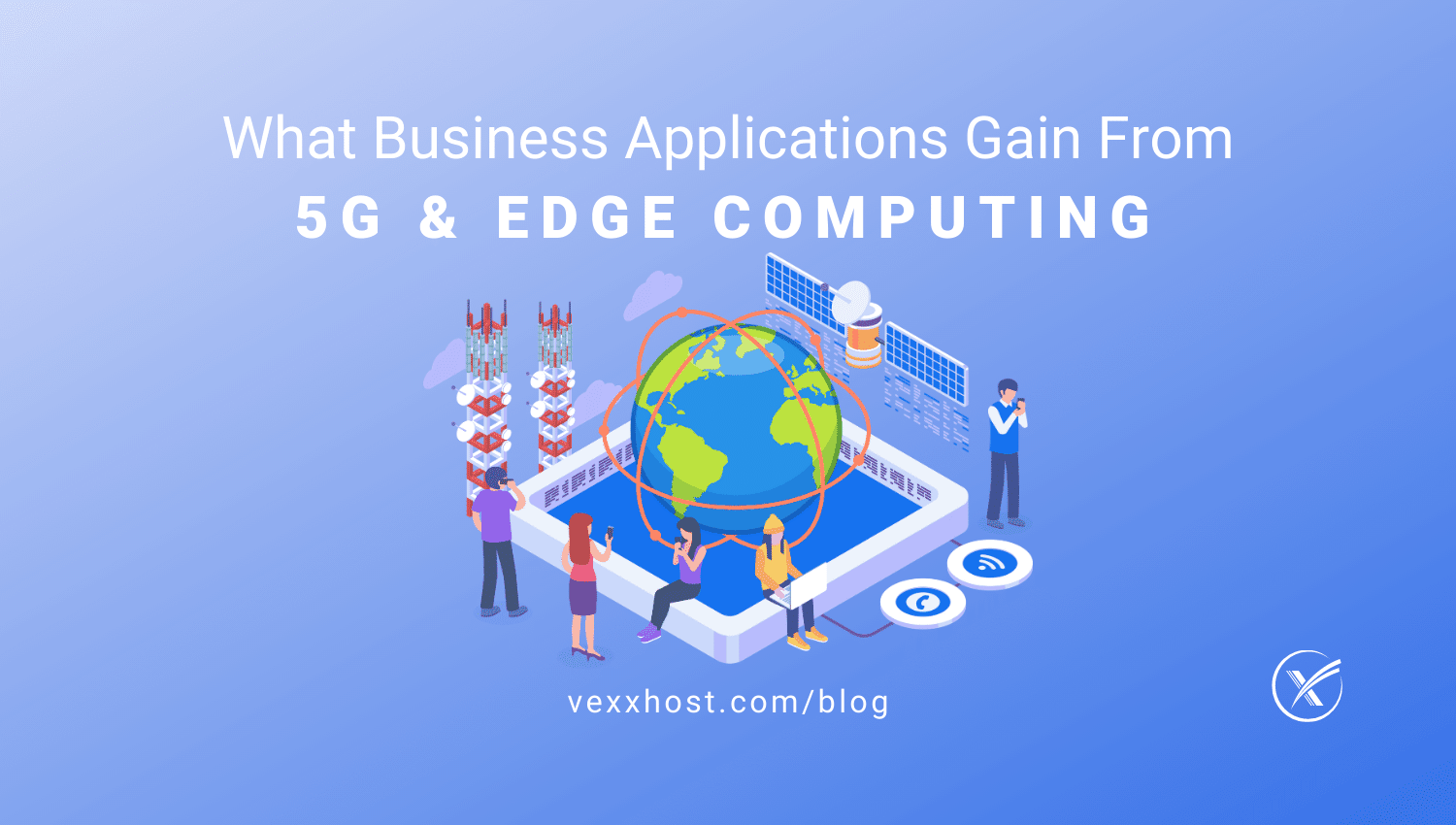
The combination of Edge Computing and 5G represents a powerful synergy that enhances the capabilities of both technologies, enabling a new era of high-performance, low-latency, and real-time computing. Edge Computing refers to the practice of processing data closer to the source of data generation (e.g., IoT devices, sensors, smart devices) rather than relying solely on centralized cloud servers. This proximity to the data allows for faster processing, reduced latency, and improved performance in scenarios where real-time decisions and actions are critical. In contrast, 5G is a high-speed, low-latency mobile network technology designed to support a wide range of applications, including autonomous vehicles, smart cities, industrial automation, and IoT devices. When combined, 5G's ultra-low latency and high bandwidth capabilities complement Edge Computing's decentralized approach, creating a robust solution for data-intensive and time-sensitive applications.
Enhanced Real-time Processing: One of the key benefits of combining Edge Computing and 5G is the ability to process data in real time at the edge of the network, reducing the reliance on distant cloud servers and minimizing delays. With 5G providing high-speed data transmission and low latency, Edge Computing devices can make instantaneous decisions based on real-time data without needing to wait for data to travel to centralized cloud systems. For example, in applications such as autonomous driving, smart manufacturing, or remote healthcare, the ability to quickly process data locally and take action immediately is crucial. 5G's low latency, combined with Edge Computing's localized processing, ensures that devices can respond to their environment in milliseconds, making them far more efficient and reliable for critical tasks.
Scalability and Efficiency: Edge Computing paired with 5G also allows for more scalable and efficient network architectures. With 5G's massive device connectivity and the ability to support high-capacity data transfer, Edge Computing can process and analyze large volumes of data at distributed edge nodes without overwhelming centralized cloud systems. This distributed approach reduces the burden on the core network and prevents data bottlenecks by allowing devices and sensors to handle some of the heavy lifting themselves. Moreover, as the number of IoT devices continues to grow, the combination of 5G and Edge Computing ensures that networks can handle increased traffic while maintaining performance. This makes Edge Computing and 5G ideal for industries like smart cities, manufacturing, healthcare, and entertainment, where massive amounts of data need to be processed quickly and efficiently without compromising on performance.
8.5G Use Cases
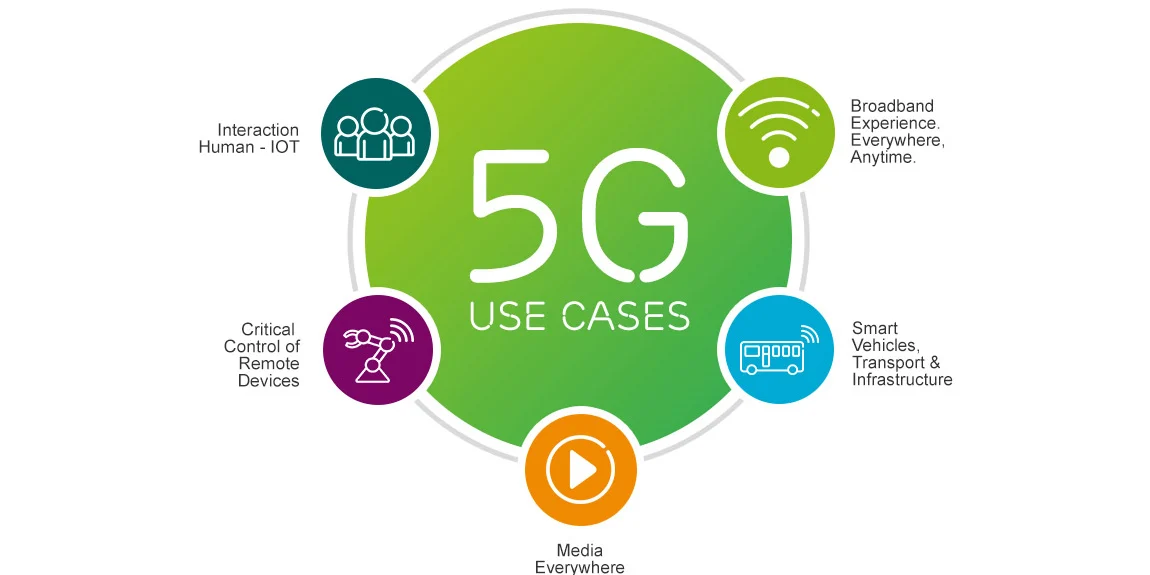
B5G Use Casesyhe advent of 5G technology brings about significant improvements in speed, latency, connectivity, and capacity. As a result, it opens up a wide range of innovative use cases across various industries. Below are some key areas where 5G is transforming applications:
Autonomous Vehicles: 5G plays a pivotal role in enabling autonomous vehicles by providing low-latency communication between cars, traffic lights, and other road infrastructure. This allows self-driving cars to make real-time decisions, such as avoiding collisions, adjusting speeds, and responding to environmental changes quickly and safely. With 5G's ultra-reliable low-latency communications (URLLC), these vehicles can process and react to data almost instantaneously, improving the safety and efficiency of autonomous transportation. Additionally, 5G can support high-bandwidth applications like real-time HD maps and vehicle-to-vehicle (V2V) communication, essential for autonomous driving.
Smart Cities: In smart cities, 5G enables seamless connectivity between IoT devices, infrastructure, and citizens. It supports applications like intelligent traffic management, smart grids, public safety monitoring, and smart waste management. For example, 5G-powered sensors embedded in traffic lights and vehicles can communicate in real time to optimize traffic flow, reduce congestion, and improve air quality. Similarly, smart meters in homes and buildings can use 5G to deliver real-time data on energy consumption, helping city planners implement more efficient energy management systems. 5G's high-speed network enables large-scale deployments of interconnected devices, transforming cities into highly connected, efficient, and sustainable environments.
B5G Use Casesyhe advent of 5G technology brings about significant improvements in speed, latency, connectivity, and capacity. As a result, it opens up a wide range of innovative use cases across various industries. Below are some key areas where 5G is transforming applications:
Autonomous Vehicles: 5G plays a pivotal role in enabling autonomous vehicles by providing low-latency communication between cars, traffic lights, and other road infrastructure. This allows self-driving cars to make real-time decisions, such as avoiding collisions, adjusting speeds, and responding to environmental changes quickly and safely. With 5G's ultra-reliable low-latency communications (URLLC), these vehicles can process and react to data almost instantaneously, improving the safety and efficiency of autonomous transportation. Additionally, 5G can support high-bandwidth applications like real-time HD maps and vehicle-to-vehicle (V2V) communication, essential for autonomous driving.
Smart Cities: In smart cities, 5G enables seamless connectivity between IoT devices, infrastructure, and citizens. It supports applications like intelligent traffic management, smart grids, public safety monitoring, and smart waste management. For example, 5G-powered sensors embedded in traffic lights and vehicles can communicate in real time to optimize traffic flow, reduce congestion, and improve air quality. Similarly, smart meters in homes and buildings can use 5G to deliver real-time data on energy consumption, helping city planners implement more efficient energy management systems. 5G's high-speed network enables large-scale deployments of interconnected devices, transforming cities into highly connected, efficient, and sustainable environments.
Comments